Related SDGs
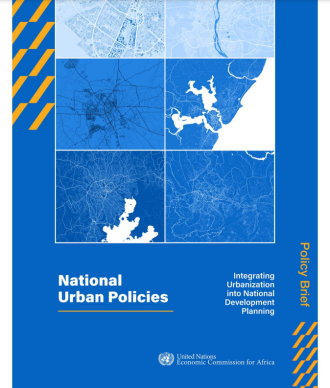
Urbanization is one of the global mega-trends, together with global population, population ageing and international migration. Over the past 30 years, Africa has experienced a high rate of urbanization and rapid growth in the share of the population living in cities. With a cumulative population of more than 700 million people and average annual growth rates nearing 3.5 per cent, the number of cities in Africa had doubled over the period between 1990 and 2020. The urban population in Africa is expected to triple between 2018 and 2050, with a further 1.5 billion urban dwellers expected by 2050. This urban growth will likely usher in deep changes to the economic, social, and political landscape of the continent. The present policy brief includes an updated database of national development plans that highlights how urbanization is being prioritized in the region. The database captures country visions, ambitions and goals for urbanization, the time frame or implementation period for national plans, the level of urbanization, the percentage of people living in slums, and the national housing policy for each country. Urbanization without planning can generate more costs than benefits for the economy, society and environment.
Publication Series




Recent Publications