Windhoek, Namibia, 10 November 2026 (ECA) – Eastern Africa continues to demonstrate notable economic resilience, with growth projected at 5.8 per cent in 2026, well above the African average of 4.0 per cent.
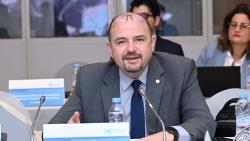
These findings were presented by Andrew Mold, Director of the UN Economic Commission for Africa, Office for Eastern Africa, during the Joint Session of the Intergovernmental Committee of Senior Officials and Experts for Eastern and Southern Africa, currently taking place in Windhoek, Namibia.
The four-day session has convened senior government officials, policymakers, experts, representatives of regional and international organizations, development partners and private sector stakeholders to explore pathways for deepening regional integration and advancing sustainable economic transformation.
“Despite a challenging global environment marked by geopolitical tensions, rising transport costs and climate-related shocks, Eastern Africa remains one of the most dynamic economies in the world,” said Andrew Mold. “The region's growth performance demonstrates resilience, but strong economic growth alone is not enough. We must translate growth into jobs, greater resilience, food security and improved living standards.”
Trade opportunities expanding
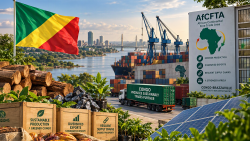
Mold stressed the growing importance of intra-African trade as a driver of economic transformation. Exports from East African Community member states to the African market have more than doubled over the past two years, reaching US$7.2 billion in the second quarter of 2026, while Africa now accounts for approximately 27.5 per cent of total EAC exports.
Data presented at the meeting also showed that EAC trade with the Southern African Development Community (SADC) now exceeds intra-EAC trade, underscoring the growing economic interdependence between Eastern and Southern Africa.
“The expansion of trade between Eastern and Southern Africa demonstrates the enormous opportunities that exist under the African Continental Free Trade Area (AfCFTA),” said Mold.
Commodity exports drive performance
Eastern Africa's export growth has benefited significantly from rising commodity prices. The region's exports are increasingly driven by minerals and commodities, with minerals now accounting for approximately 53 per cent of exports compared with about 20 per cent two decades ago. Gold exports and strong coffee prices have provided a substantial boost to export revenues across several countries.
Uganda's coffee exports alone exceeded US$3 billion last year, while countries such as Burundi, Comoros, Djibouti and Ethiopia all recorded buoyant export growth.
Inflation pressures and fiscal constraints remain
Despite strong growth, Eastern African economies continue to face significant macroeconomic challenges. Inflation has eased from the peaks experienced during the global food and energy crises of 2022 and 2023, but recent geopolitical tensions and disruptions affecting global energy markets have renewed price pressures.
Governments are also operating under increasingly constrained fiscal conditions. While many countries have maintained ambitious budgets focused on investments in infrastructure, industrialization and social development, rising debt-service costs are reducing the resources available for development spending.
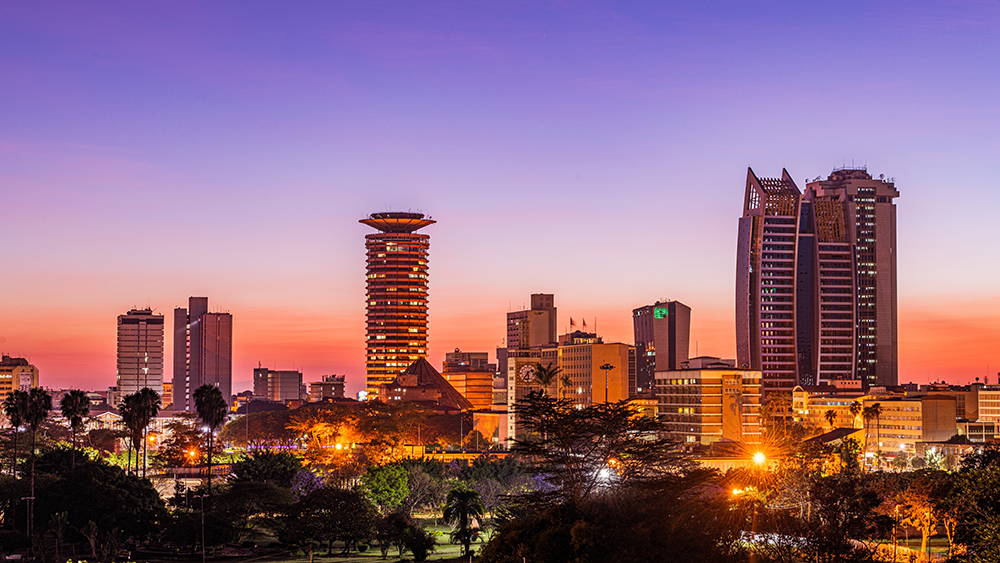
A representative from the Republic of Kenya welcomed the evidence presented and emphasized the importance of infrastructure investment in supporting regional integration and economic growth.
“The infrastructure investments being undertaken today are intended to strengthen regional connectivity, facilitate trade and support long-term growth. While these investments have implications for public debt levels, they are laying the foundation for future economic transformation,” said a representative of Kenya's National Treasury.
The presentation noted that maintaining high and sustained economic growth remains the most effective pathway for addressing debt vulnerabilities while safeguarding development investments.
Investment remains vital
The presentation further highlighted encouraging trends in investment across Africa. According to data presented, the continent attracted approximately US$70 billion in foreign direct investment in 2025, with major projects concentrated in energy, extractive industries, construction and communications.
However, speakers emphasized the need to diversify investment toward productive sectors that can support industrialization, job creation and regional value chains.
Commenting on the presentation, a representative of the Government of Tanzania highlighted the country's commitment to building economic resilience through long-term planning, investment and regional integration.
“Our development vision is centred on building a productive, diversified and competitive economy. While the global environment remains uncertain, we continue to prioritize industrialization, investment mobilization, digitalization, human capital development and regional economic integration as key drivers of inclusive growth and job creation,” said a representative of the United Republic of Tanzania.
Concluding the presentation, Mold emphasized that while Eastern Africa's economic outlook remains positive, stronger regional cooperation and cooperation is needed to address common challenges.
Issued by:
Office for Eastern Africa
United Nations Economic Commission for Africa